Selected Digital Media
A selection of experimental digital media projects developed during my graduate studies at the University of Chicago.
Project repositories and source code will be made available on GitHub soon.
Master’s Thesis - University of Chicago, Digital Studies
Passing the Word Virus: Navigating Beat New York with Twine
2026
Hypertext Narrative | Twine
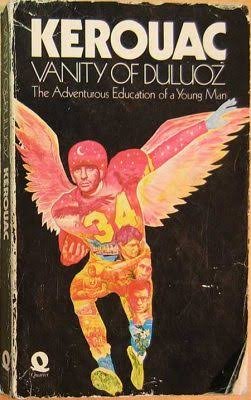
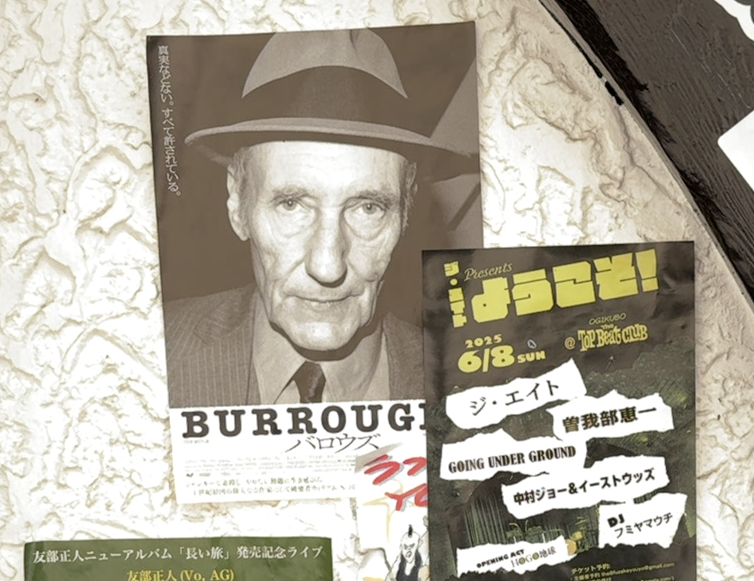
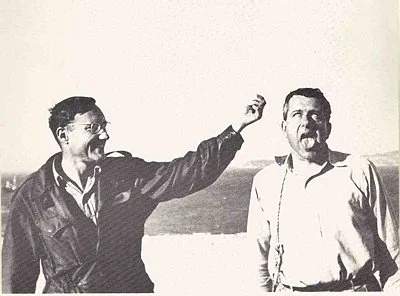
Passing the Word Virus examines the relationship between Beat literature and digital media aesthetics, focusing on the experimental writing of William S. Burroughs and Jack Kerouac. Drawing on the work of new media theorists Lev Manovich and Janet Murray, the thesis considers how Burroughs’ cut-up technique for Naked Lunch and the Nova Trilogy anticipate the database logic of digital media, while Kerouac’s descriptions of football in Vanity of Duluoz offer a framework for understanding navigation and agency within procedural systems.
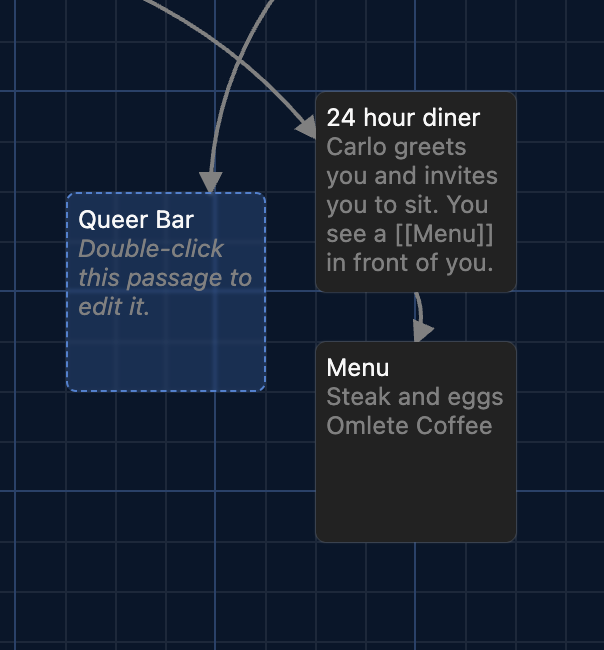
This research informs my own digital media work, Word Virus, an experimental hypertext narrative developed in Twine. Set in New York City on the night of David Kammerer’s murder in 1944, the project uses fragments of Beat literature to construct a navigable textual environment. Rather than following a predetermined narrative, users move between interconnected passages, encountering different vantage points and possible outcomes. By reassembling existing literature into an interactive interface, the project explores how digital navigation can transform the experience of reading, allowing users to participate in the construction of narrative meaning.
Word Virus remains a work in progress.

Digital Experiments
Slacker Respaced
2025
Spatial Film Visualization | Python, GeoPandas, Folium
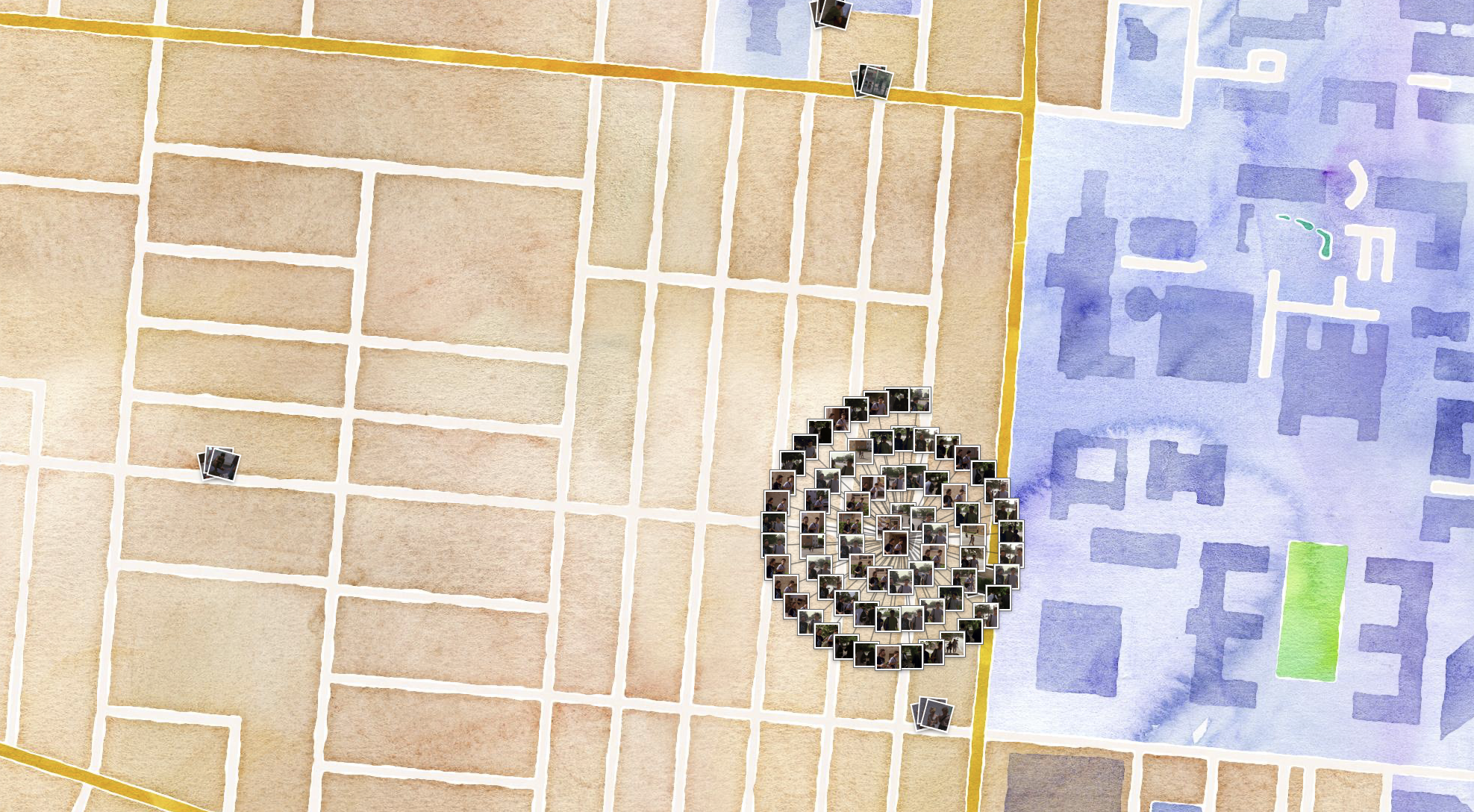
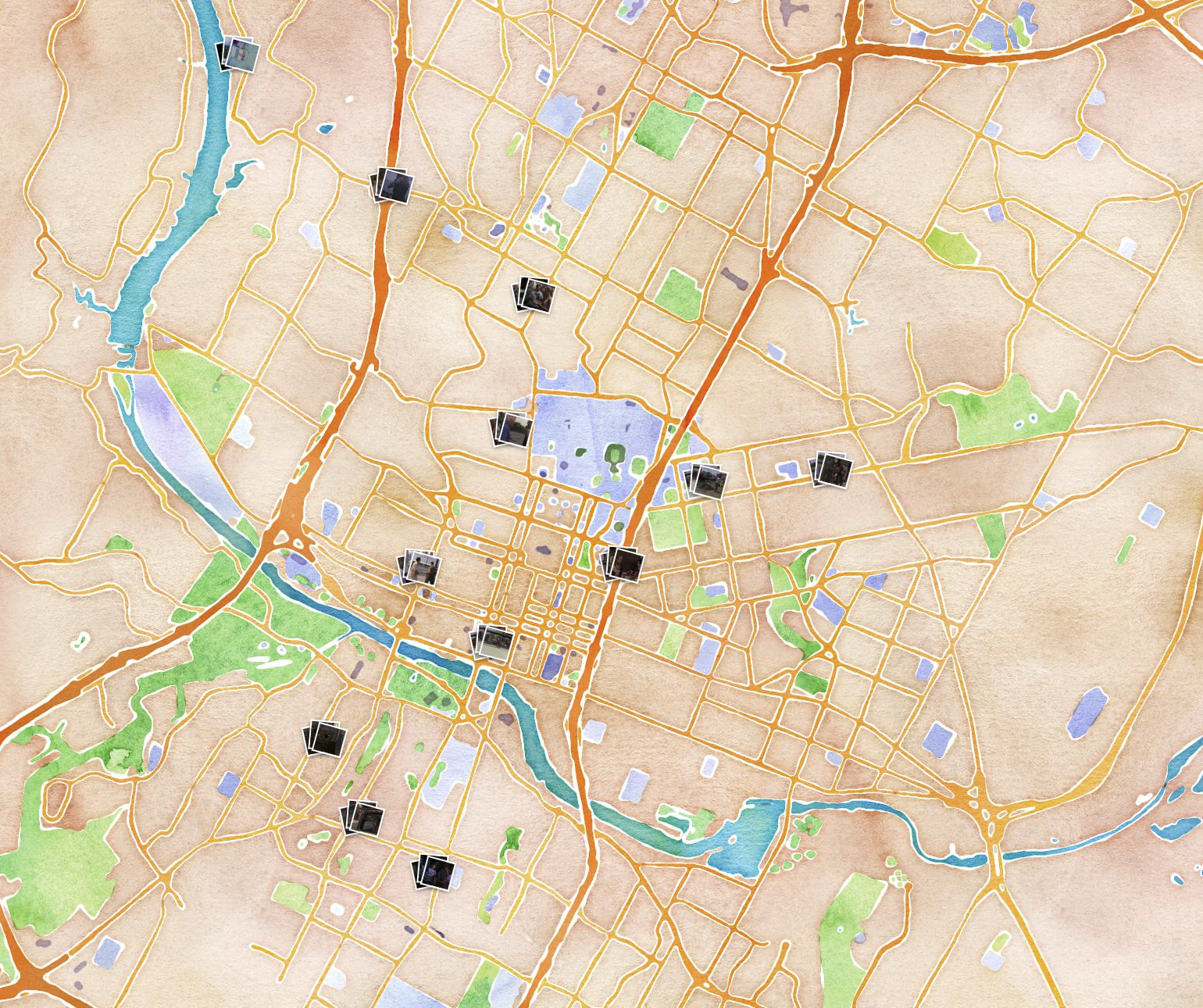
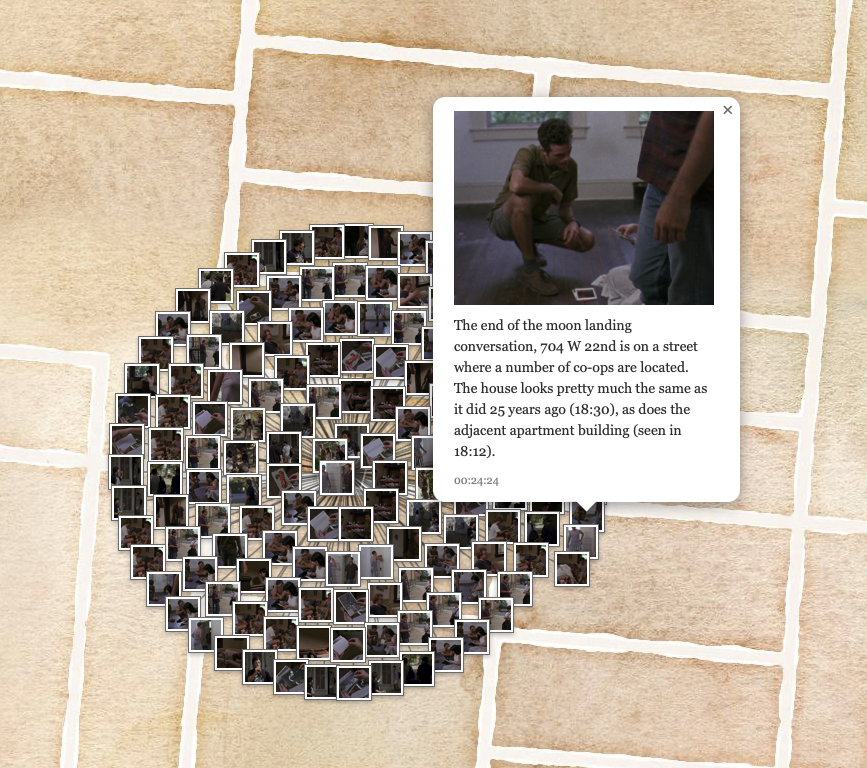
This project began as an experiment in representing an entire film on a single screen. I chose to create a spatial visualization of Richard Linklater’s Slacker (1990), a film that follows a succession of characters through a single day in Austin, Texas. Using geographic data from an existing map of the film’s locations, I developed a Python workflow to extract frames at regular intervals, associate them with scene timestamps and coordinates, and organize them into an interactive map using Folium. Through successive iterations, I experimented with frame clustering, thumbnail previews, and a timeline feature intended to allow viewers to navigate the film through both cinematic and geographic time.
The resulting visualization offers a bird’s-eye view of Slacker, tracing the path through Austin carved by its constantly changing subjects. While the map reveals occasional geographic discontinuities in the film’s editing, it is primarily an exploration of Linklater’s keen sense of place and the relationship between cinematic space and time.
Stay tuned for a full interactive version on this site!
Joy-Con MIDI Instruments
2025
Motion-Controlled Music Interface | Python, Logic Pro
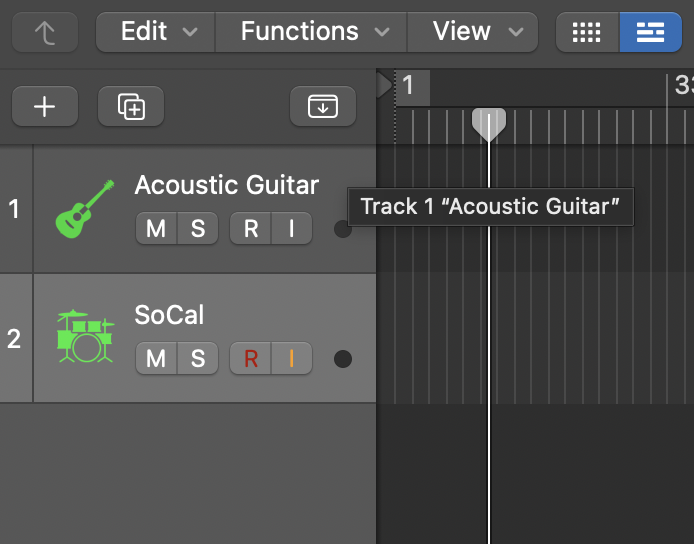
Inspired by Nintendo's Wii Music and other rhythm games of the 2000s, this project explores the use of motion controls as an alternative interface for digital music production. I vibe coded a series of scripts that translate button and gyroscopic motion inputs from Nintendo’s Joy-Con controllers into MIDI signals compatible with Logic Pro.
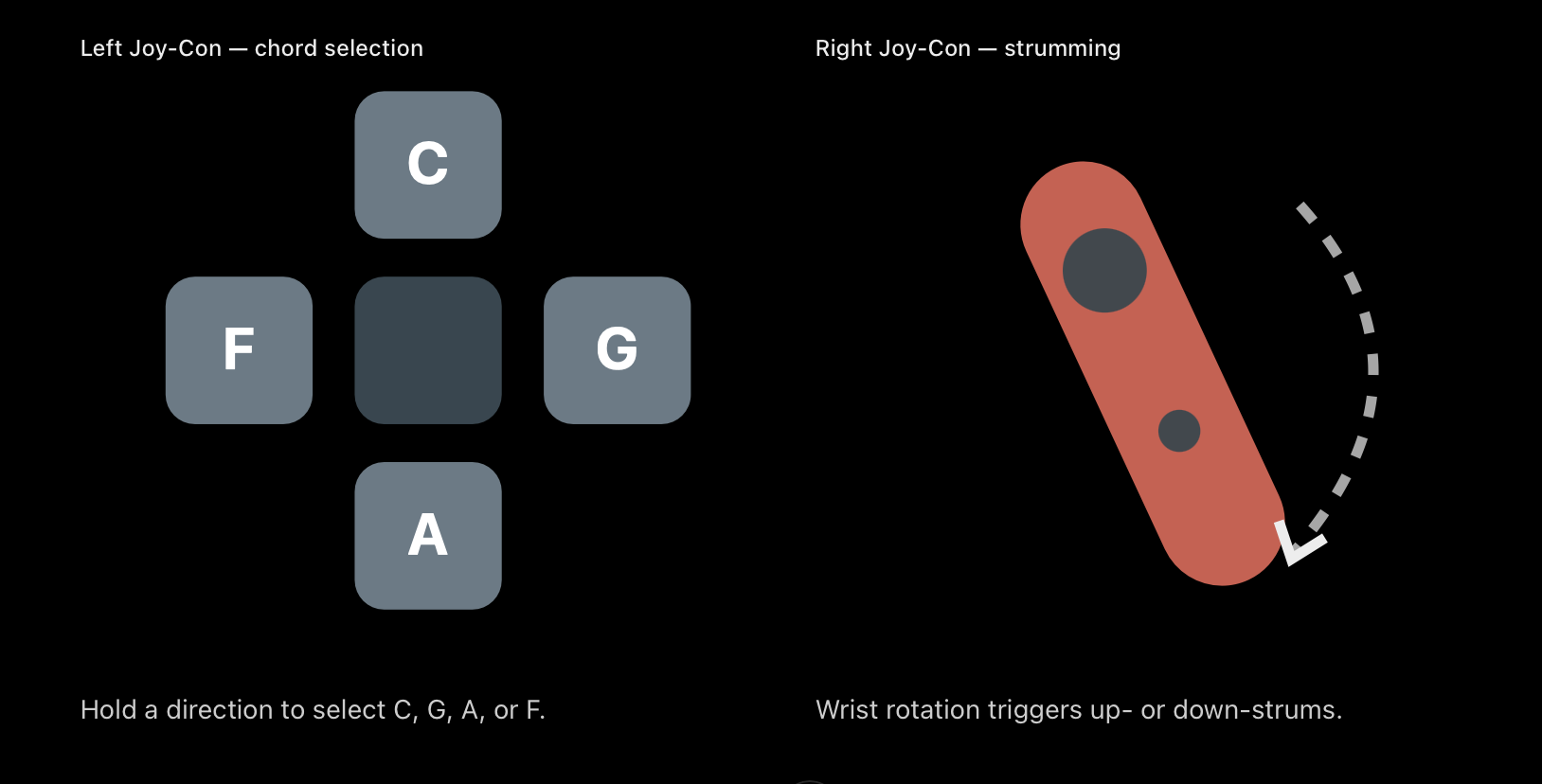
I began with a simple four note button inputs that changed in pitch based on the motion of the controller. Using this framework, I expanded into guitar and drum instruments. The guitar uses one Joy-Con to select chords and the other to simulate strumming. The drums originally followed the same pattern, where different parts of the kit could be toggled on the fly, but the result felt somewhat unintuitive, so I pivoted to a simple two-handed interface for playing kick and snare.
Much of the development involved experimenting with different levels of controller sensitivity, which revealed broader questions regarding the relationship between physical movement and musical output. Rather than attempting to faithfully reproduce the movement of playing an instrument accurately, I became interested in finding intuitive motion analogues: gestures that evoke the experience of playing music without requiring the technical proficiency of a musician. The resulting prototypes explore how familiar physical movements can be adapted into accessible, playful forms of musical interaction.
Painting on the Digital Frontier
2026
Virtual Reality Painting | C#, Unity
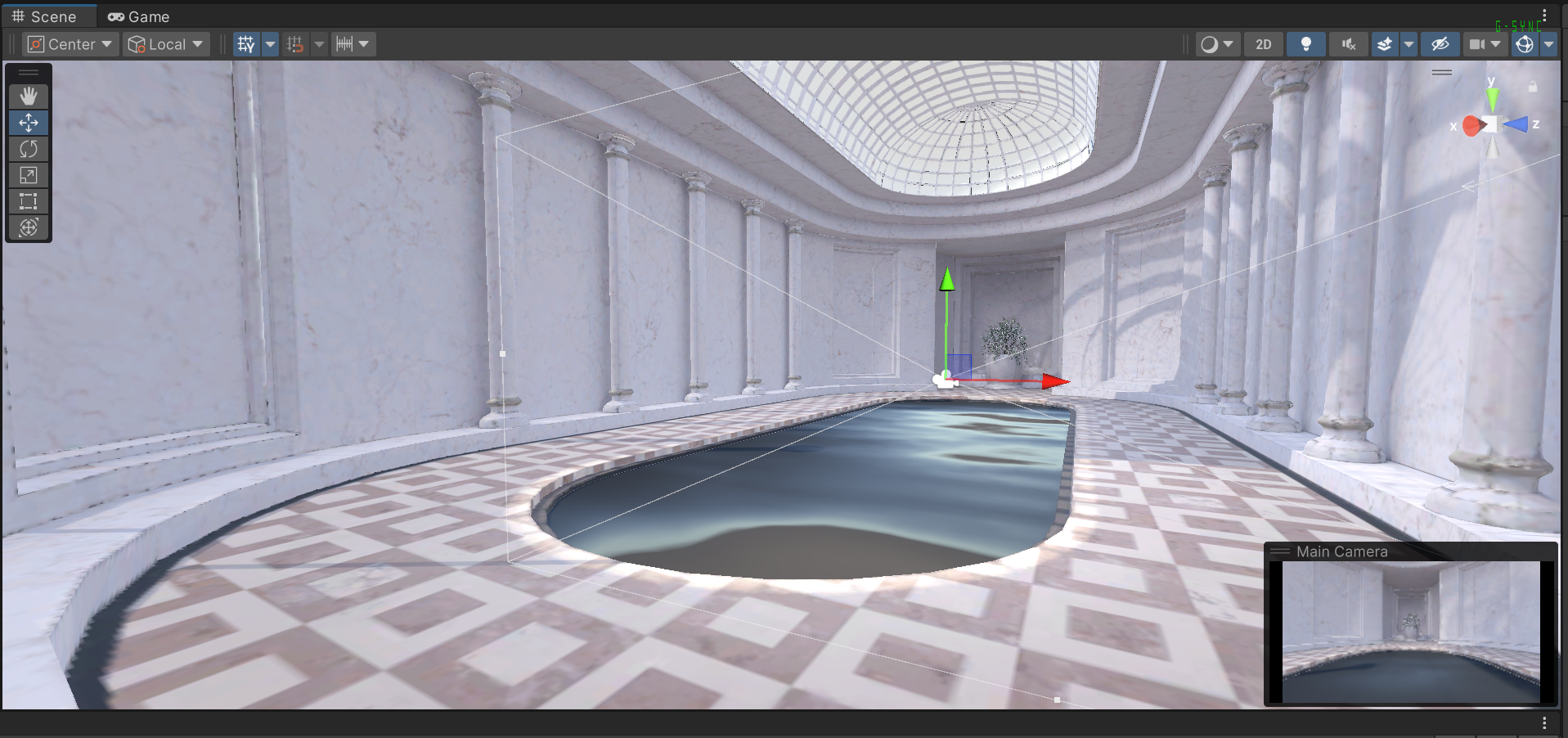
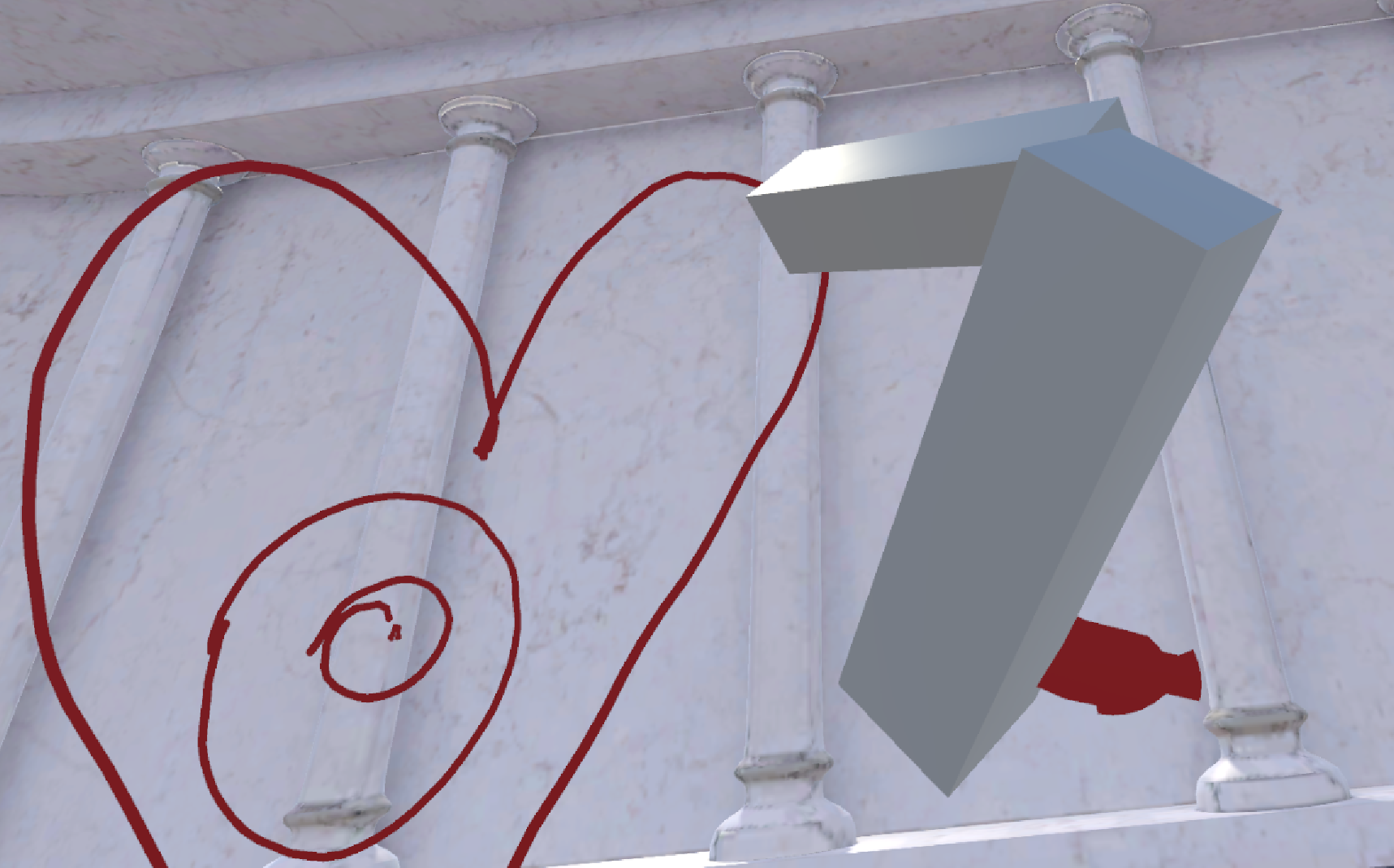
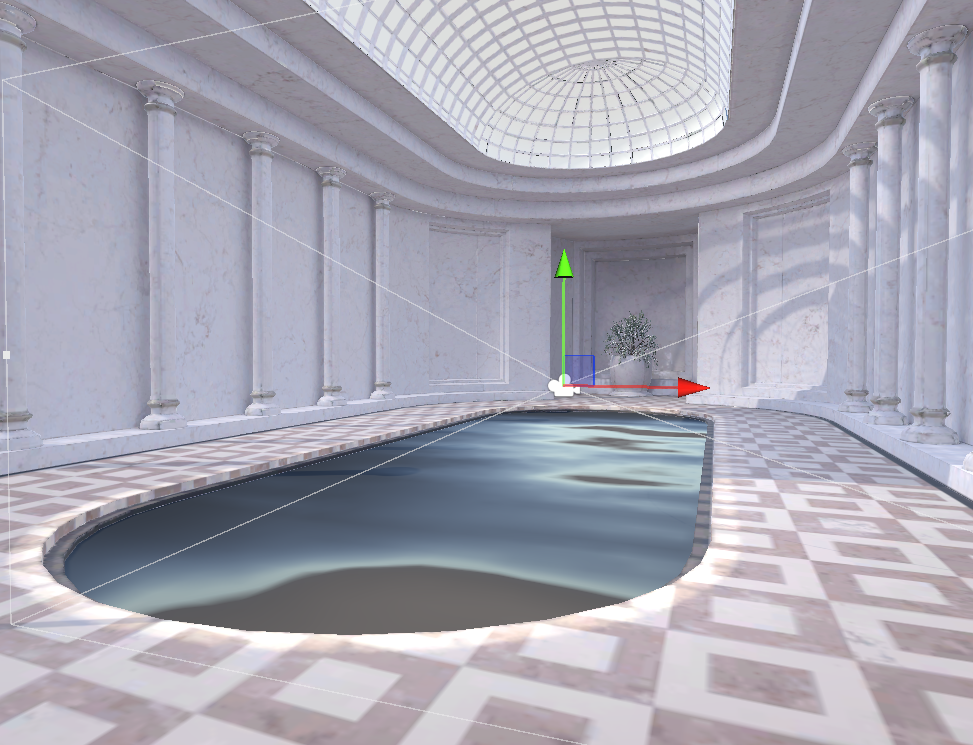
Inspired by applications like Tilt Brush and Dreams, this project explores the intersection of creative expression and embodied interaction in virtual reality. I developed a rudimentary VR painting application in Unity that allows users to draw three-dimensional strokes, then manipulate those strokes as physical objects within the same environment. By incorporating adjustable gravity, collision detection, and rigid-body physics, I expanded the application beyond painting to allow users to grab, throw, catch, and combine their creations into more complex objects.
Much of the development involved experimenting with the physical responsiveness of these interactions, particularly the challenge of making virtual objects feel satisfying to handle and throw. While the physics remained imperfect, the process revealed an interesting possibility for VR: an environment in which creation and play become part of the same gesture. Rather than simply constructing objects to be used later, users could draw their own props, tools, or games and immediately interact with them, collapsing the distinction between designing and inhabiting the virtual space.